
bee-friendly plant guide
Consider these California native perennials for bee-friendly plantings in the Mendocino coastal region (bloom times are primary time; in this climate many will bloom far longer). A few of these plants are large shrubs or trees; size is noted in each entry. All these plants were native to coastal or northern California, or their range included northern California prior to European settlement.
Click on a plant to learn more

Achillea millefolium
Blooms May-July
Yarrow is an erect herbaceous perennial plant with a spreading rhizomatous growth, white flowers on one to several stems 11 to 40 inches high. A useful companion, repelling some pest insects while attracting beneficial ones. Sun to partial shade, dry soil.
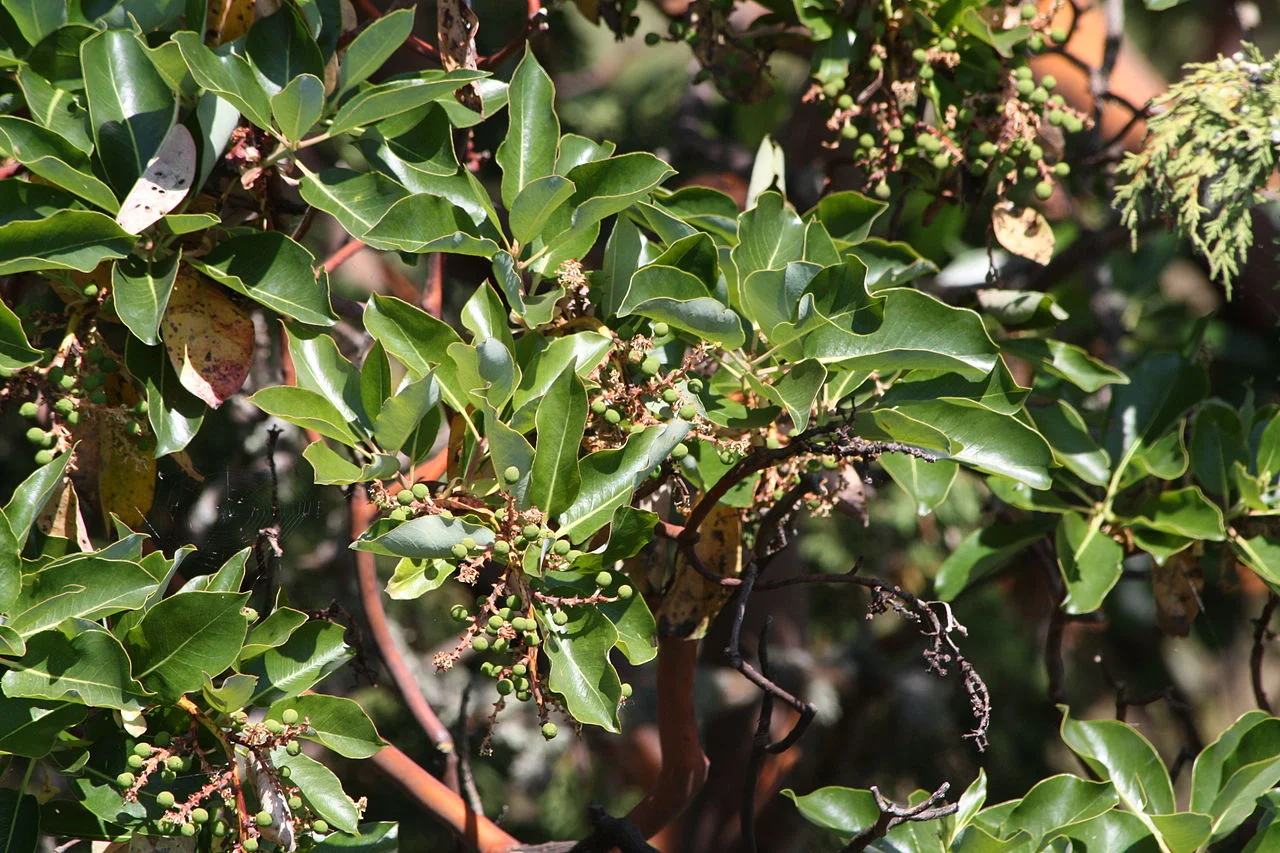
Arbutus menziesii
Blooms March to June
A potentially majestic evergreen tree with a unique seasonally changing bark and white blooms from March to June; 30 to 70’; sun to partial shade, tolerates dry soil, attracts bees and hummingbirds. Obviously only appropriate if you have space for a substantial tree.
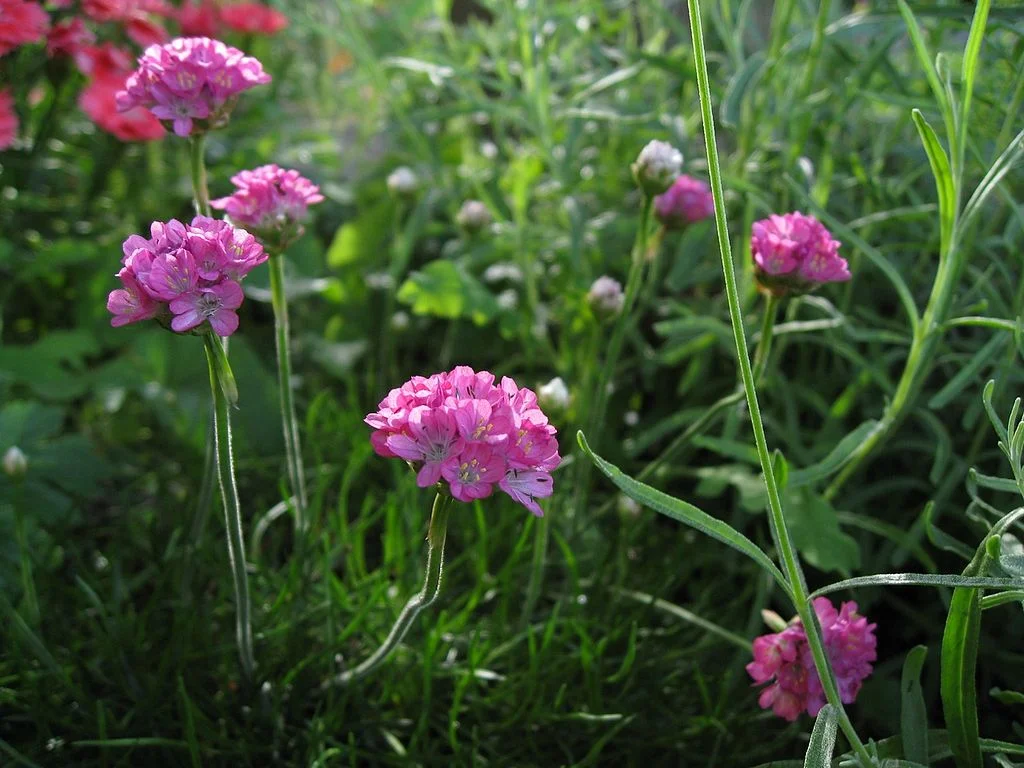
Armeria maritima
Blooms spring to early summer
Armerias are easy to grow, compact perennials, which tolerate salt and are a popular plant for seaside landscapes. Armeria plants form tufts of narrow, stiff evergreen leaves topped with bright, globular, bright rose clover-like flower heads, 6" mound with 1" pink flowers on 1'h stems in spring and early summer. Sturdy and dependable, Armerias are an ideal perennial for edging borders or walks. Drought tolerant at the coast but will survive elsewhere with regular water; part shade inland. Tolerates sandy soils and clay. Deer resistant. Gopher resistant.

Ceanothus spp.
Blooms spring to summer
Perennial groundcover that can grow to 18 ft shrub with voluminous blue flowers. Prefers well-drained soil, though some varieties tolerate clay. Provides pollen. Attracts Bombus, honey, minim, and sweat bees.

Epilobium canum
Blooms spring and fall
Vibrant red-orange tubular flowers, up to 2-inches long, bloom in late spring and fall. Called hummingbird trumpet, this native evergreen thrives even when not watered, tolerates heavy soil and attracts butterflies and native bees.
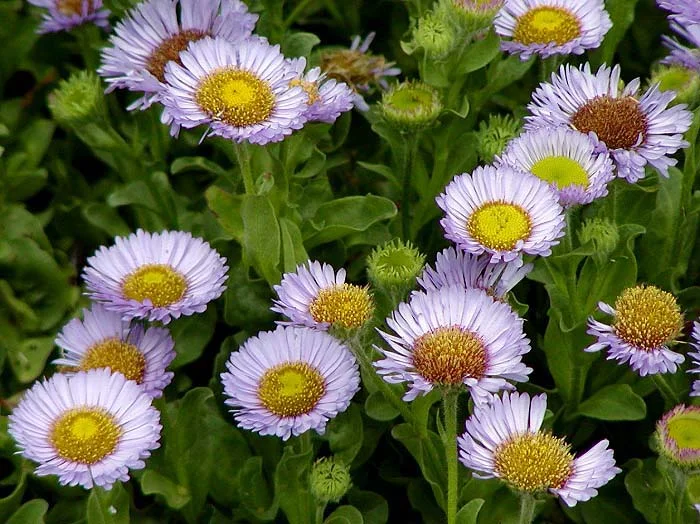
Erigeron glaucus
Blooms spring to early fall
Low-growing mounding perennial to 8” tall and up to 12” wide with yellow disk and different color rays. Thrives in coastal areas but needs water and partial shade for inland locations. Attracts sweat bees and leafcutters.

Penstemon spp.
Bloom times vary spring to summer
Many California natives, many colors to choose from. The bushy, flowery plant is extremely drought-tolerant and excellent for native and honeybees. In spring, Penstemon heterophyllus has gorgeous blue-purple flowers, 1-2' h x 2-3' w, accepting of heavy soils and some shade.

Phacelia californica
Blooms middle to late spring
This evergreen perennial is native to coastal bluffs; grows 1½-2’ tall x 18” with showy dark blue fiddleheads from middle to late spring. Does well in rock gardens and dry perennial beds.
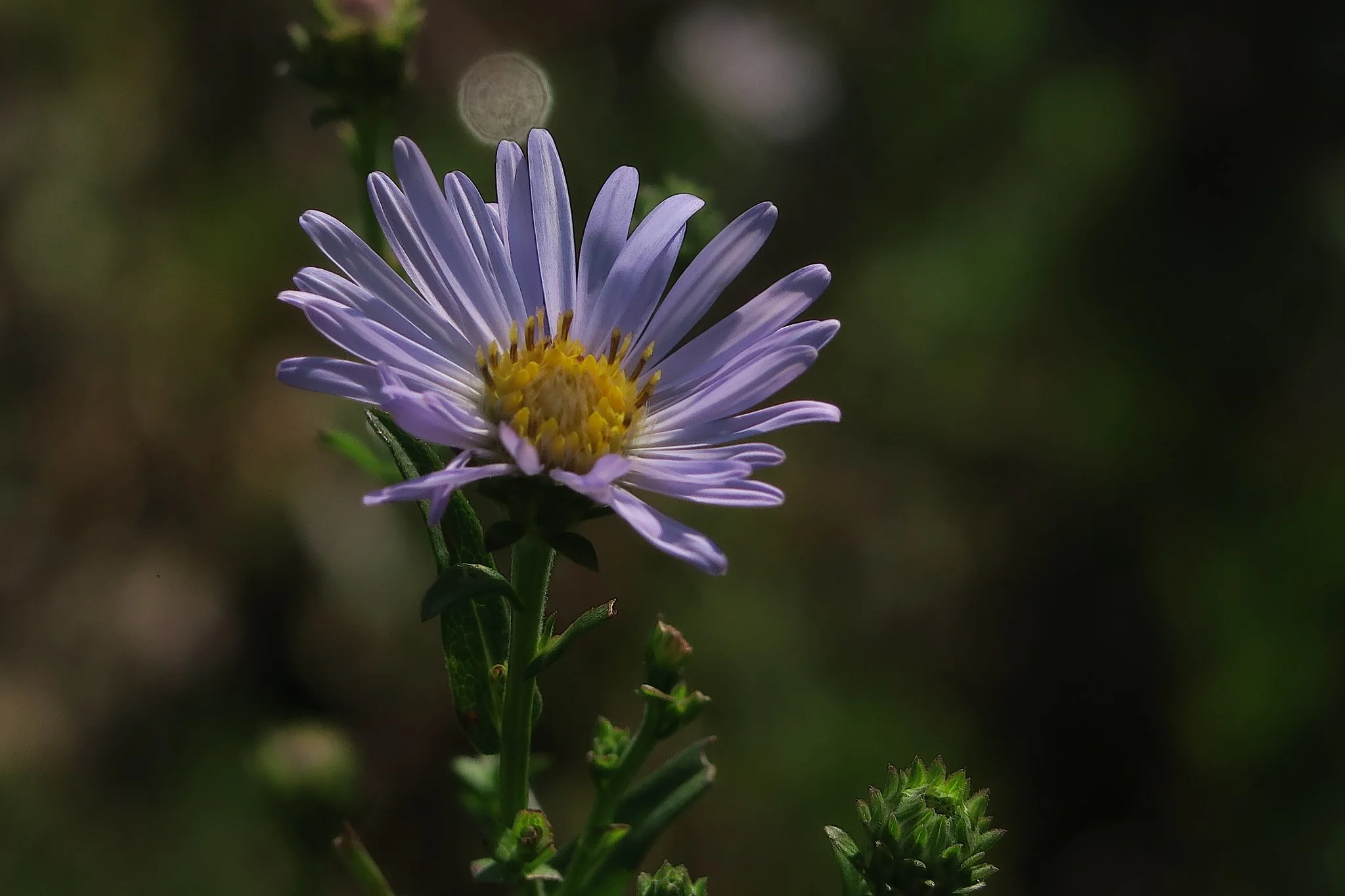
Aster chilensis
Blooms summer into early fall
A fast-growing perennial that grows 1.3-3.3 ft tall and 3 ft wide with yellow disks, purple or blue ray florets. Grows in poor to moderate rich soil, accepts medium water but tolerates dry conditions. Attracts honey, sweat mining, Bombus, and mason bees.

Salvia spathacea
Blooms winter through summer
Native to coastal California, excellent ground-covering foliage, 2’ h x spreading; prefers partial shade; blooms with long-stemmed flower clusters in late winter through summer, and attracts hummingbirds, butterflies, and native bees.

Scabiosa spp.
Bloom times vary spring to summer
There are many California natives and cultivars in blue, pink, and lavender, and they attract native and honey bees as well as butterflies.

Solidago californica
Blooms summer to early fall
Perennial with upright slender stems to 4 ft high with masses of floral heads. Does well in a variety of soils. Water increases flowering. Provides nectar and pollen. Attracts honey, sweat, mining, Bombus, and mason bees.

Diplacus aurantiacus
Blooms March to September
This perennial shrub 3-4’h x 3’w prefers clay soil with a moderately acidic ph; full sun and no summer water. This is the coastal form of Mimulus aurantiacus, a perennial with 1" orange flowers that likes partial shade if planted in the interior, sun if it is along the coast. Monkeyflower attracts hummingbirds and is deer proof. Monkeyflower will grow in almost any soil as long as it has drainage and is not overwatered.
Mimulus aurantiacus is not the same in horticulture. Most if not all Mimulus spp. need water; most Diplacus species are drought tolerant.

Penstemon heterophyllus
Blooms spring to summer
A perennial that grows 20” high with woody stem and pink, blue, or lavender flowers. Okay in poor to rich soil. Needs water in summer. Provides nectar and pollen. Attracts Bombus and mason bees.

Monardella villosa
Blooms late spring to summer
A sprawling, mint-scented perennial that grows up to 28” high with clusters that can be purple, pink, and white. Drought tolerant and likes well-drained poor to rich soil. Dead-head and prune back. Provides nectar and attracts Bombus bees.

Lupinus arboreus
Blooms spring till mid-summer
This subshrub grows quickly to a substantial 4’ x 4’ with loads of scented, 6-8” spikes that attract butterflies and bumble bees. Deer resistant and drought tolerant.

Eriogonum latifolium
Blooms summer into fall
Up to 1’h x 2’w mounds of pink and white 1” flowers, grows well on
coastal dunes and bluffs, in beach sand or fast draining clay. Give sun and sandy/rocky soil, little or no water after established (in range of species). Can be grown in warmer areas but give a little extra winter/spring water. This perennial is used by many native butterflies for nectar and larval food. Deer resistant but attractive to rabbits.

Fragaria chiloensis
Blooms March to August
Native to California coastal bluffs and sand dunes; spreading perennial, with white flowers, 6-12 inches tall, followed by edible red fruits. Grows well in most California gardens as long as it gets some shade and water. Beach Strawberry is a good ground cover for sun in coastal areas and part shade inland.

Sisyrinchium bellum
Blooms January to June
A 1-2 foot tall perennial with small, green-gray, iris-like leaves and 1 inch blue flowers. Widely distributed in California; it grows in sand to clay, coastal bluffs to interior grasslands. It likes full sun with garden water but once established can become very drought tolerant and tolerate full sun everywhere. Tolerates seaside conditions, seasonal flooding, high traffic (people walking on it) and deer. In a native garden Blue Eyed Grass mixes well among rocks or with other small perennials like Armeria maritima.

Amelanchier alnifolia
Blooms April to June
Sun to partial shade; a common deciduous shrub in the forest understory with white flowers and edible berry-like fruit, that grows to 1–8 m (3–26 ft); adaptable to most soil types, except poorly drained or heavy clay soils. The foliage is eaten by deer, the berries are eaten by any and every creature.

Ribes sanguineum glutinosum
Blooms January to March
A five-foot deciduous shrub with long showy pink flower clusters that cover the plant in January to March, followed by edible fruit. Native to canyons and north slopes in the coast ranges, this currant likes shade to part shade and moderate water in the interior but is very drought tolerant in coastal gardens. Tolerates sand, clay and seasonal flooding.

Agastache
Blooms in summer
A perennial that grows erect 3-4 ft and is bushy with tubular flowers borne on whorls. Color varies. Prefers sun and well-drained soil. Water when flowering and prune back after. Provides nectar and attracts natives, especially bombus and honey bees.

Eriophyllum lanatum
Blooms May to August
A grey perennial, not a true sunflower, with 1-2 ft. high, with yellow, two-inch daisy-like flowers. A good garden plant, liking full sun to part-day shade, and dry conditions best. Attracts butterflies.

Arctostaphylos
Blooms late winter to early spring
A perrenial that can be a groundcover or grow into 20 ft trees with white or pink flowers. Likes full sun, average soil and water. Provides nectar and attracts bombos, honeybees, mason bees, and Saturnia Mendocino.

Collinsia heterophylla
Blooms spring to early summer
Annual flower that blooms with two-lipped flowers from pink to lavender on 20” stems. Likes partial shade, well drained sandy soil, and water to extend blooms. Provides nectar and pollen. Attracts Bombus and mason bees.

Encelia californica
Blooms spring to fall
Perennial woody shrub that grows up to 4 ft tall with 2” floral heads, yellow rays and dark disk. Tolerates a wide variety of soils. Deadhead to prolong the bloom. Provides nectar and pollen. Attracts a wide variety of natives.

Eriogonum grande rubescens
Blooms in summer
Perennial low-mounding subshrub that can grow to 24” high. Likes well drained poor to moderately rich soil. Provides nectar and pollen. Attracts honey, sweat, mining, Bombus, and mason bees.

Eschscholzia californica
Blooms March to October
An annual with feathery 1-2 ft stems growing 1-3” 4-petaled flowers. Blooms open with the sun. Okay in sun and part shade. Likes dry soil and is both drought-tolerant and self-seeding. Provides pollen and attracts a wide variety of natives.

Gilia capitata
Blooms April - May
An annual with numerous blue flowers forming a globe. Glows erect to about 27” high. Likes sun and average to dry soil. Provides nectar and pllen. Attracts honey, sweat, and mining bees.

Grindelia hirsutula
Blooms early spring to early fall
A perennial that grows up to 30” high with yellow, sticky flowers and hairy leaves. Likes clay to loam soil and full sun. Provides nectar and pollen. Attracts Bombus and sweat bees.
Search by Feature
- annual
- attracts bees
- attracts beneficials
- attracts bombus
- attracts butterflies
- attracts digger bees
- attracts honeybees
- attracts hummingbirds
- attracts leafcutters
- attracts mason bees
- attracts mining bees
- attracts native bees
- attracts Saturnia Mendocino
- attracts sweat bees
- blooms April - May
- blooms late spring to summer
- blooms late winter to early spring
- blooms spring to early fall
- blooms spring to early summer
- blooms spring to summer
- blooms summer to early fall
- blooms summer to fall
- blue flowers
- deciduous shrub
- deer resistant
- drought-tolerant
- dry soil
- evergreen
- flowers
- full sun
- good ground cover
- gopher resistant
- lavender flowers
- loam soil
- low-moisture
- orange flowers
- part shade
- perennial
- pink flowers
- poor to rich soil
- provides nectar
- provides nectar and pollen
- provides pollen
- purple flowers
- red flowers
- salt-tolerant
- self-seeding
- summer blooms
- sun/part shade
- tolerates clay
- tolerates heat
- tolerates heavy soil
- tolerates poor soil
- tolerates sand
- trees
- well-drained soil
- yellow flowers